Start Your Remodeling Today
DIY Bathroom Remodel: 5 Budget-Friendly Steps to a Stunning Transformation
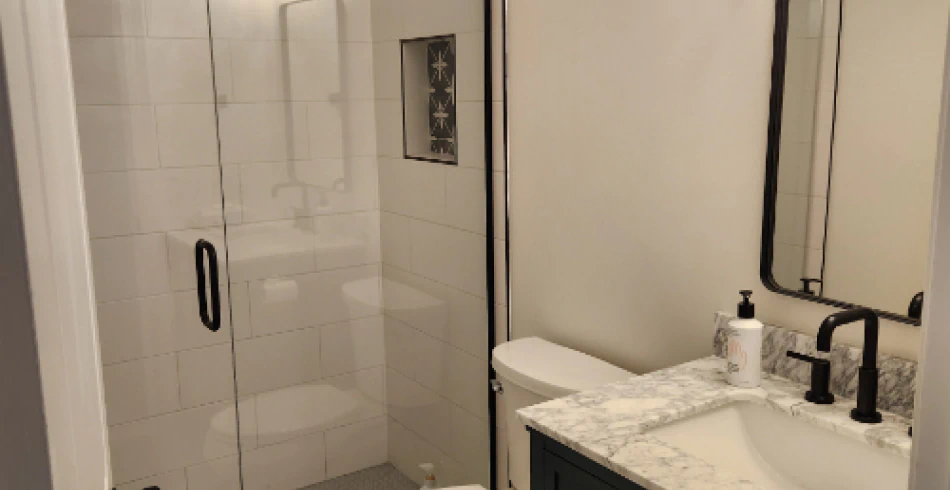
Step 1: Establish Your Budget and Create a Detailed Plan
Before purchasing a single item, determine exactly how much you can invest in your project. A typical DIY bathroom refresh in the Canton Township area ranges from $2,500 to $7,000 when homeowners handle most labor themselves, compared to $12,000 to $25,000 when hiring contractors for the entire scope. Break your budget into clear categories: fixtures (30%), materials like tile and flooring (25%), vanity and countertops (20%), lighting and ventilation (15%), and contingency funds (10%).
Measure your space carefully and create a detailed layout. Photograph existing plumbing locations since relocating water lines dramatically increases costs. Decide which elements you will tackle yourself versus which require licensed professionals. Michigan building codes require permits for electrical and plumbing alterations, so factor inspection fees into your planning. Sketch multiple design options and price each one completely before committing. This preparation prevents mid-project surprises that derail budgets. Professional remodelers spend considerable time in this phase because proper planning directly determines project success and final costs.
Step 2: Demo Carefully and Protect Your Investment
Demolition requires restraint and precision. Shut off water supply valves completely and test before removing fixtures. Protect your floors with thick cardboard or plywood, not just drop cloths. Remove the toilet first, then vanity, followed by any wall-mounted fixtures. Work systematically from top to bottom when removing tile or wall materials to maintain control over debris.
Inspect behind walls for hidden damage, mold, or outdated plumbing once surfaces are removed. This discovery phase often reveals issues that professional remodelers anticipate but DIY homeowners miss. Check subfloor integrity around the toilet flange and tub areas where water damage commonly occurs. Save any functional fixtures you remove in case you need to reinstall them temporarily if the project timeline extends. Rent a construction dumpster rather than overloading your regular trash service. During Michigan’s humid summer months, complete demo quickly to prevent moisture issues in exposed areas. Document everything with photos for future reference and potential permit inspections.
Step 3: Update Plumbing and Electrical Systems First
Address all plumbing and electrical work before installing any finish materials. This sequence prevents costly rework and code violations. If your project involves moving fixtures or adding outlets, hire licensed professionals for these specific tasks. Michigan requires permits for substantial electrical or plumbing modifications, and inspections ensure your work meets safety standards. Budget $800 to $1,500 for professional plumbing updates and $400 to $900 for electrical work if you need to add circuits or upgrade ventilation.
Install GFCI outlets near water sources as code requires. Plan outlet locations based on your final vanity and mirror placement. Upgrade to a properly sized exhaust fan (minimum 50 CFM for bathrooms under 100 square feet) to prevent moisture problems that plague many homes in this region. Replace old shutoff valves while plumbing is exposed since these inexpensive components fail frequently. Test all connections thoroughly before closing walls. Taking shortcuts during this phase creates problems that contractors routinely fix during full-scale remodels. Consider consulting with professional remodeling teams if your project involves complex system changes.
Step 4: Install New Flooring and Wall Surfaces
Choose flooring that balances cost and durability. Luxury vinyl plank (LVP) offers excellent water resistance at $3 to $7 per square foot installed, while ceramic tile runs $5 to $15 per square foot. Install flooring before the vanity but after rough plumbing is complete. Ensure your subfloor is level within 1/8 inch over 10 feet to prevent lippage and cracking. Use appropriate underlayment and waterproofing membranes in wet areas.
For walls, consider waterproof wall panels in the shower area as a budget alternative to full tile installation. These systems cost 40-60% less than custom tile work and install much faster. If you choose tile, invest in proper waterproofing membranes and use spacers for consistent grout lines. Select mold-resistant drywall (green board or purple board) for areas outside the shower. Apply joint compound smoothly and sand thoroughly before priming. Paint with moisture-resistant bathroom paint in satin or semi-gloss finishes. Many DIY projects falter during this detail-oriented phase where precision matters. View examples of finished installations in our project gallery for inspiration on material combinations that deliver professional results.
Step 5: Install Your Vanity, Fixtures, and Storage
Select a vanity that maximizes storage without overwhelming your space. Pre-assembled vanities with integrated tops cost $300 to $1,200 and install in a few hours, while custom cabinetry runs significantly higher. Ensure the vanity height works for your household (standard is 32-36 inches). Level the cabinet carefully and secure it to wall studs, not just drywall. Connect supply lines with braided stainless steel hoses rather than plastic for longevity.
Install the faucet before setting the sink if possible – working underneath an installed sink is frustrating and time-consuming. Apply a proper bead of silicone around the sink rim to prevent water infiltration. Mount your mirror at an appropriate height (typically 5-10 inches above the faucet). Add recessed medicine cabinets or floating shelves for additional storage without consuming floor space. Install towel bars at comfortable heights (48 inches for hand towels, 36 inches for bath towels). Consider toilet paper holder placement before finalizing the toilet position. This attention to functional details separates amateur installations from professional work that contractors deliver consistently.